Celebrating the Heritage Buildings and Landmarks That Shape Portage la Prairie

Did you know that Portage la Prairie averages over 2,300 hours of sunshine every year? It is consistently ranked as one of the sunniest spots in the country, which might be why so many of our historic structures have survived the decades with such character. Understanding the buildings we pass every day on Saskatchewan Avenue or near the shores of Crescent Lake isn’t just a task for history buffs; it is about knowing the literal foundation of our community. We often drive past these sites during our morning commutes without a second thought, but each one tells a story about how Portage la Prairie grew from a small trading post into the vibrant city we call home today. This guide looks at the landmarks that define our local identity and explains why preserving them matters for the future of our neighbourhoods.
What makes the Portage la Prairie City Hall so unique?
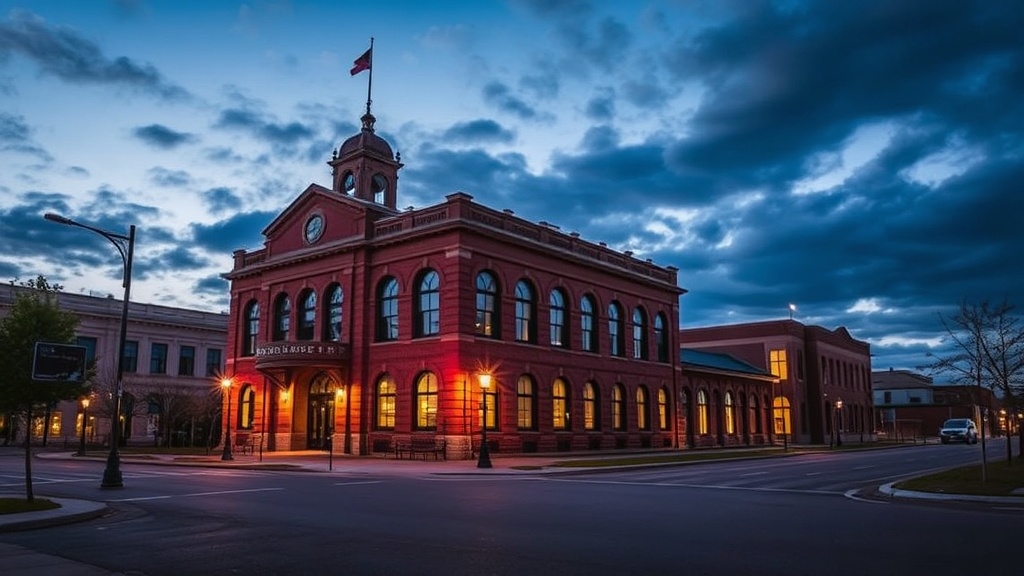
Located right in the heart of the city on Saskatchewan Avenue, our City Hall is much more than just a place to pay municipal taxes or pick up permits. Built in 1898, it was designed by the famous architect Thomas Fuller—the very same man responsible for the Parliament Buildings in Ottawa. (It is a pretty big deal for a prairie town to have that kind of architectural pedigree, if you ask me). The building is a striking example of Neo-Classical architecture, featuring solid limestone walls that were hauled in during the late 19th century. We often take the grandeur of this structure for granted, but it represents the massive ambition the early leaders of Portage la Prairie had for our growth. The clock tower, which was actually a later addition in 1914, has become a permanent fixture of our downtown skyline.
When you stand across the street and look at the detailed stonework, you can see the craftsmanship that went into every corner of the structure. It has served as a post office and a customs house before becoming the seat of our local government. For those of us who live here, it stands as a reminder that Portage la Prairie has always been a hub of activity in the Central Plains. It is important that we continue to maintain these sites, as they provide a sense of continuity in an ever-changing world. You can find more about the city's current projects and council updates on the official website at https://www.city-plap.com/.
Why is the Fort la Reine Museum a staple of our community?
If you head toward the west end of Portage la Prairie, you will encounter the Fort la Reine Museum. This is not just a collection of dusty artifacts; it is a sprawling heritage site that preserves the history of the entire region. The museum features over 25 buildings that were moved from various parts of our surrounding area to ensure they were not lost to time or development. From the trapper’s cabin to the heritage post office, these structures offer a window into the lives of the people who first settled in Portage la Prairie. One of the most famous pieces on site is the CP Rail car used by Sir William Van Horne, which gives us a glimpse into the luxury of early rail travel.
We often bring our kids here for school trips or weekend outings, but the museum’s role in our community goes much deeper. It acts as a repository for the stories of early explorers like Pierre Gaultier de Varennes, sieur de La Vérendrye, who established the original fort nearby in 1738. By walking through these buildings, we connect with the hardships and triumphs of those who built the very first homes in Portage la Prairie. It is a vital part of our civic life that helps us appreciate the modern comforts we enjoy today. For event schedules and visitor info, check out their site at https://fortlareinemuseum.com/.
How has Island Park changed over the decades?
Island Park is arguably the crown jewel of Portage la Prairie, and its history is as deep as the waters of Crescent Lake. While many of us visit for the splash pad, the tennis courts, or the Duck Pond, the park has been a central gathering place for over a century. The island was originally used for massive community picnics and early agricultural fairs, serving as the heart of our social life long before modern entertainment existed. The bridge that connects the mainland to the island has seen several iterations, but the view remains one of the best in our community. We should also remember that the "lake" is actually an oxbow lake formed by the shifting path of the Assiniboine River—a natural quirk that gives Portage la Prairie its unique geography.
The park is also home to the Portage Industrial Exhibition grounds, which have hosted the annual fair for generations. Walking the trails today, you can still find remnants of the park’s long history, including the George Hill statue and the various monuments dedicated to local figures. It is a place where the past and present of Portage la Prairie meet daily. Whether you are watching the deer in the enclosure or just enjoying a walk near the 18-hole golf course, you are participating in a tradition of outdoor recreation that has defined our city since its earliest days. Our community’s commitment to keeping this space beautiful is a point of pride for every resident from Koko Platz to the north end.
What is the history behind the CP Rail Station on Fisher Avenue?
The railway is the primary reason Portage la Prairie exists in its current location. Our city is one of the rare places where the two major national railways—the Canadian Pacific and the Canadian National—intersect, and the CP Rail Station on Fisher Avenue is a monument to that heritage. Built in the early 1900s, the station was once a bustling hive of activity where every new arrival to Portage la Prairie first stepped off the train. While the golden age of rail travel has passed, the building remains a striking example of the importance of transportation in our history. We see the long freight trains passing through our city every day, but stopping to look at the station allows us to imagine a time when passenger travel was the lifeblood of the prairies.
The architecture of the station, with its broad rooflines and solid construction, was designed to handle the harsh Manitoba winters while welcoming weary travellers. It is a quiet piece of our local identity that often goes unnoticed, but it represents the connectivity that put Portage la Prairie on the map. Without these rail lines, our agricultural industry would never have reached the global markets it serves today. It is a piece of infrastructure that literally built our community from the ground up.
How does the Herman Prior Activity Centre serve Portage la Prairie today?
The building that houses the Herman Prior Activity Centre on Royal Road South is another example of a local landmark that has evolved to meet the needs of our community. Originally built for a different purpose, it has become a hub for our seniors and a venue for countless local events. The fact that we have repurposed this space instead of clearing it away shows a deep respect for the architectural character of our neighborhoods. It is a place where the history of Portage la Prairie is kept alive through the stories of its members. You can see their schedule and community involvement at https://hermanprior.com/.
Supporting spaces like the Herman Prior Centre is a way for us to ensure that our history is not just something we read about in books, but something we experience through social connection. It is one of those spots in Portage la Prairie where you can really feel the sense of community that Maxime Johansson often talks about. Whether it is a bridge tournament or a local fundraiser, the activity within these walls keeps our city’s heart beating. It is a reminder that the best way to honor our heritage is to keep using these buildings for the benefit of every resident.
What can you find at the Portage la Prairie Public Library?
The Portage la Prairie Public Library on Royal Road North is more than just a place to borrow the latest bestseller; it is a vital resource for our local records. The building serves as a modern anchor for our downtown, but it also houses archives that contain the history of our streets, schools, and families. We often forget that having a dedicated space for learning was a luxury that early residents of Portage la Prairie worked hard to establish. The library provides a quiet corner to look into the past, offering everything from old maps of our city to microfilm of newspapers from decades ago. It is a key institution for anyone who wants to understand how our community has changed over the years.
The staff there do an incredible job of keeping our history accessible to the public. For those of us living in Portage la Prairie, it is a place where we can go to find the answers to questions about our own properties or the history of our ancestors who settled here. It is a bridge between the digital world we live in now and the paper records of our city’s origins. Visiting the library is a great way to show support for a public service that has been a cornerstone of our community for a very long time. The heritage of Portage la Prairie is not just found in the stone and brick of our buildings; it is found in the knowledge we preserve and share with each other.
What is the significance of St. Mary’s la Prairie Anglican Church?
One of the oldest and most beautiful buildings in our city is St. Mary’s la Prairie Anglican Church. Located near the intersection of 2nd Street SW and Crescent Road, this church has been a part of the spiritual and social fabric of Portage la Prairie since the mid-19th century. The current stone structure, while not the first building on the site, carries forward a tradition of worship that predates the official incorporation of our city. The stained glass windows and the traditional architecture are a rare find in the prairies and offer a peaceful look at our history. It is a landmark that has stood through the best and worst times our community has faced, providing a sense of stability for generations of residents.
The grounds around the church are also worth a look, as they reflect the early settlement patterns of Portage la Prairie. In the early days, the church was a primary social hub where families from across the region would gather once a week. It reminds us that our community was built on strong social bonds and a shared sense of purpose. Today, even for those who are not members of the parish, the building stands as a symbol of the enduring nature of our local heritage. It is a piece of the Portage la Prairie story that continues to be written every Sunday. As we look at the east end of Saskatchewan Avenue and the development happening there, we can look back at St. Mary’s to see how far we have come.