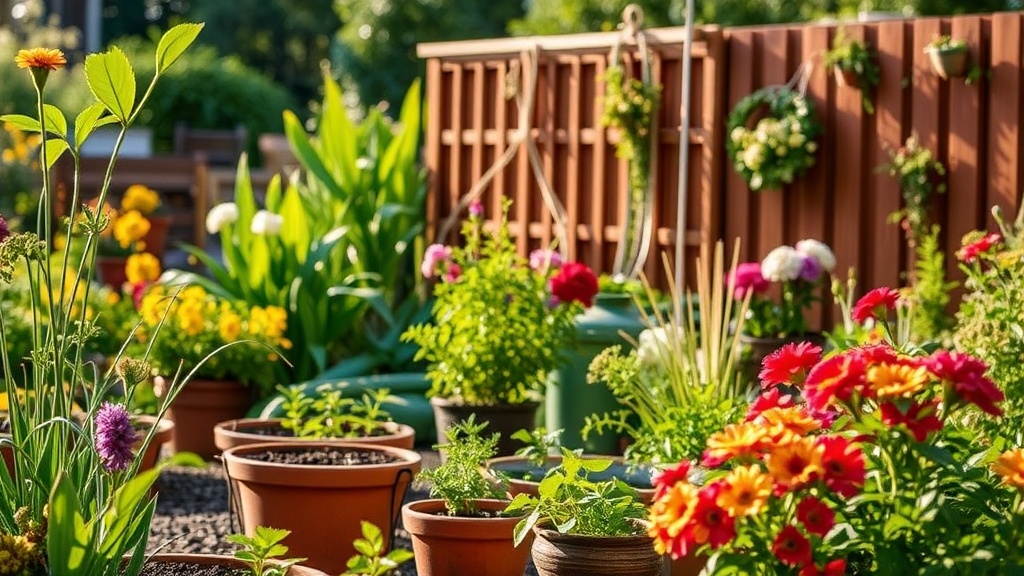
Prepare Your Backyard for a Successful Summer Garden

A neighbor looks over a fence at a patch of wilted, yellowing tomato plants in late July, wondering why their hard work didn't pay off. The truth is, the problem didn't start in July; it started back in April when the soil was still cold and the nutrients were depleted. This post explains how to prepare your soil, select the right crops for our specific prairie climate, and manage the unpredictable weather patterns we see here in the Portage la Prairie region.
How Do I Prepare My Soil for Planting?
You must test your soil pH and add organic matter to ensure it has the right nutrients for spring growth. Most of us around here are dealing with heavy clay or silty loam, which can be a real pain to work with once it gets wet.
Start by clearing out the debris from last year. If you've been using a heavy mulch or even just leaving last year's stalks, get them out of the way. You want a clean slate. I've found that adding a layer of well-rotted compost or even some aged manure makes a massive difference in how quickly the ground warms up.
Don't just throw seeds into the dirt and hope for the best. If you want real results, you need to look at the structure. If your soil feels like a brick when it's dry, you need more organic material. If it's a swamp after a heavy rain, you might need to add some sand or perlite to improve drainage.
Here is a quick checklist for your spring soil prep:
- Test the pH: You can buy a simple kit at a local hardware store or send a sample to a lab.
- Amend with Compost: Aim for a few inches of high-quality compost spread across your beds.
- Loosen the Ground: Use a garden fork to break up compaction, but don't over-work it if it's too wet.
- Check Drainage: Ensure water isn't sitting in stagnant pools where your vegetables will rot.
If you're more interested in indoor productivity while you wait for the frost to lift, you might find setting up a productive home office a better use of your time during the muddy spring months.
What Are the Best Vegetables for the Manitoba Climate?
The best vegetables for our region are those that can handle the intense sun of July and the occasional late-spring chill. You want to focus on hardy varieties that don't mind a bit of a roller coaster temperature swing.
In the Portage area, we get plenty of sun, but our growing season can be a bit temperamental. I've seen frost hit in late May even when it felt like summer was well underway. Because of this, you'll want to prioritize things like potatoes, carrots, and leafy greens that can handle a bit of a chill.
If you're looking to grow summer staples like tomatoes or peppers, wait until the soil is truly warm. Planting them too early is a common mistake that leads to stunted growth.
| Vegetable Type | Best Planting Time | Difficulty Level |
|---|---|---|
| Potatoes | Early May (after frost) | Easy |
| Leafy Greens | Late April/May | Easy |
| Tomatoes | Late May/June | Moderate |
| Zucchini/Squash | June (after frost) | Moderate |
| Peppers | June (warm soil) | Hard |
For reliable seed varieties, I always suggest looking at the Manitoba Horticulture Association or reputable seed companies that specialize in northern climates. Don't bother with tropical varieties that won't stand a chance in our wind and heat.
How Much Water Do My Plants Really Need?
Plants need consistent moisture, particularly during the hot, dry stretches we often see in July and August. A deep watering once or twice a week is generally better than a light sprinkle every single day.
The biggest mistake I see is watering the leaves instead of the roots. When you get water on the foliage, you're just inviting fungal issues and diseases to take hold. It's much more effective to use a soaker hose or a drip irrigation system. If you're using a standard garden hose, aim it right at the base of the plant.
The timing matters too. Water in the early morning. This gives the plants a chance to hydrate before the sun gets high and reduces the chance of evaporation. If you water at night, you're leaving the soil damp and cool, which is basically an invitation for slugs and mold to move in.
Watch the weather. If we're having a particularly dry spell—which happens way more than we'd like—you'll need to be much more vigilant. Check the moisture level by sticking your finger an inch into the dirt. If it's dry there, it's time to water.
A good tip for keeping moisture in is to use mulch. A thick layer of straw or wood chips around your plants acts like a lid, keeping the moisture in the ground and the weeds down. It's a small step that saves a lot of work later.
One thing to watch out for is the wind. In the prairies, the wind can dry out your garden faster than the sun can. If you have a particularly exposed garden bed, consider a windbreak or a small fence to protect your more delicate plants.
If you're worried about your garden's impact on the local environment, you might want to look into responsible waste disposal to ensure your composting and garden runoff are handled correctly.
Gardening in the Portage area is all about being patient. You'll have years where the harvest is incredible and years where the weather just doesn't cooperate. It's part of the deal. Just keep an eye on your soil, watch the thermometer, and don't be afraid to get your hands dirty.
Steps
- 1
Test Your Soil Quality
- 2
Clear Out Winter Debris
- 3
Amend with Local Compost
- 4
Plan Your Seedling Layout